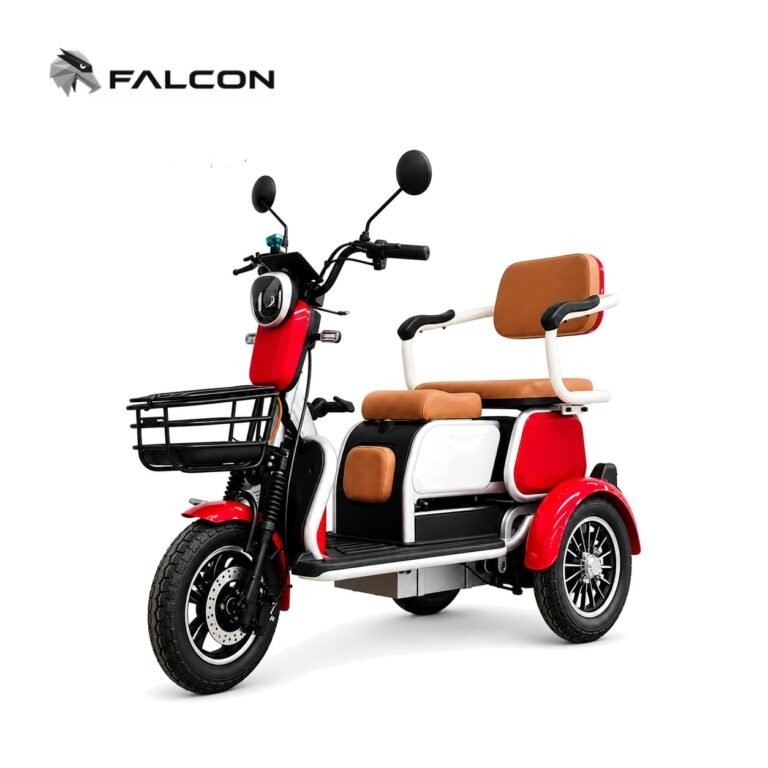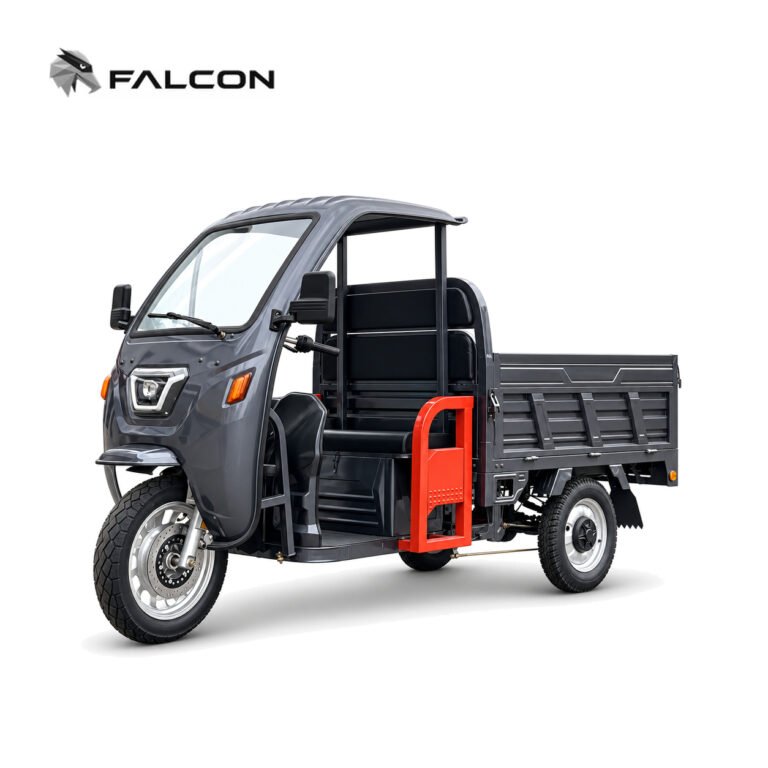
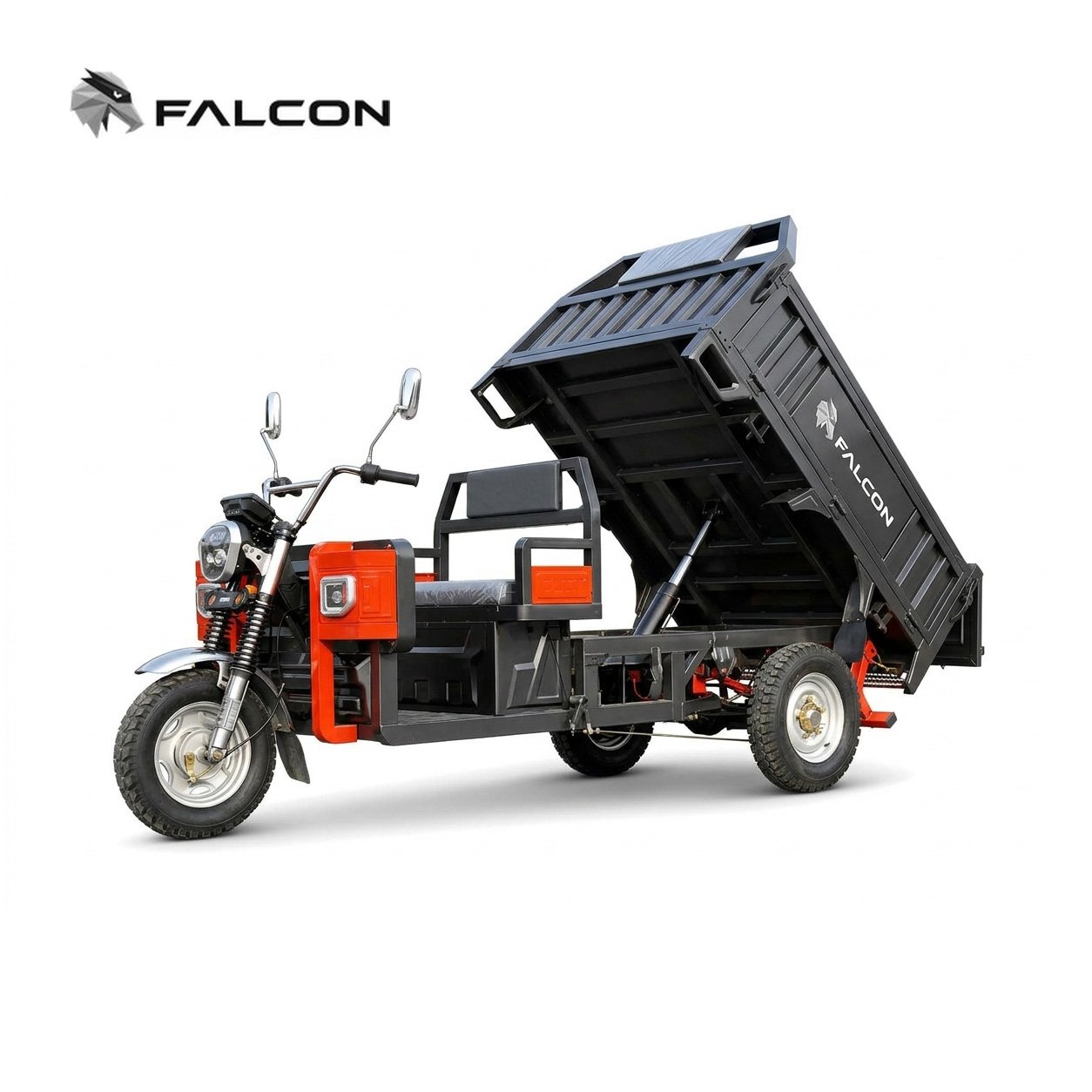
Finding an electric cargo tricycle supplier in Nepal starts with a clear picture of the job. For importers and fleet buyers, comparing written specifications and service arrangements is more useful than comparing price alone.
Describe the route before selecting a model
Record daily distance, road surface, gradients, stops and the weight and volume of a typical load. For hilly routes, ask suppliers for evidence of performance under a comparable load and incline. Do not assume that a range or climbing figure measured under one set of conditions applies to another route.
Specify the cargo body
Measure the goods and loading area. Discuss bed length, width, loading height, load securing and weather protection. Check the manufacturer’s rated payload for the exact configuration, including any cargo box or accessories.
Compare battery and charging arrangements
Request battery chemistry, capacity, charger input and estimated charging time. Confirm access to a suitable power supply and allow for the time vehicles spend off the road. Ask what battery service, spare parts and documentation are available locally.
Build a landed-cost and compliance checklist
Ask for pricing using the same configuration, quantity and trade terms. Separately calculate freight, insurance, applicable duties, local delivery and service. Before committing, check the current import classification, road-use and registration requirements with the relevant Nepal authorities and a qualified customs agent; requirements depend on the vehicle and intended use.
Send FALCON EV your destination, route and load profile through the project inquiry page, or browse cargo electric tricycles.