
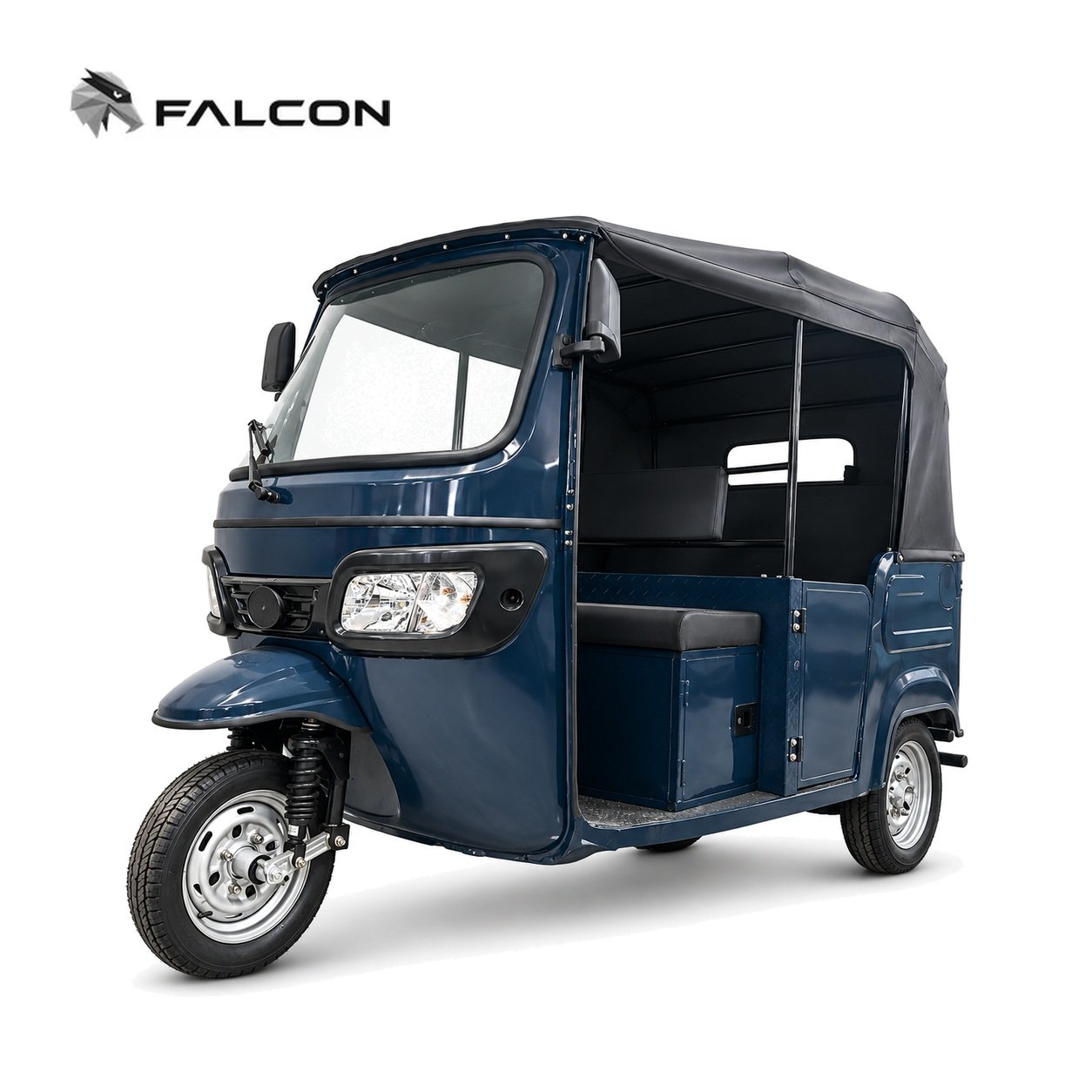
For a buyer considering electric tuk tuk wholesale in the Philippines, a pilot fleet can help identify fit and service issues before committing to a larger order. The pilot should answer specific questions rather than simply demonstrate that a vehicle runs.
Choose a representative route
Document the route’s distance, surfaces, gradients, typical passenger load and daily schedule. Record the actual charging window and any restrictions on where a vehicle may operate. Define who will drive and maintain the vehicles.
Agree on what to measure
Track distance, time in service, charging time, interruptions, operator feedback and maintenance issues. Compare the result with the quoted configuration and test conditions. Avoid extrapolating a short test directly into a guaranteed fleet-wide range or cost saving.
Verify legal and local requirements
Vehicle classification and road access can depend on current national and local rules. The Philippine Land Transportation Office’s 2024 memorandum addresses earlier EV issuances; confirm current rules, registration, licensing and route permissions with the LTO and the relevant local government before import or operation.
Set a decision gate
Before the pilot starts, agree on spare parts, warranty responsibilities, support contacts and the conditions for expanding the order. Evaluate both vehicle suitability and the ability to keep the fleet serviced.
Review passenger tricycles or discuss a pilot requirement.

