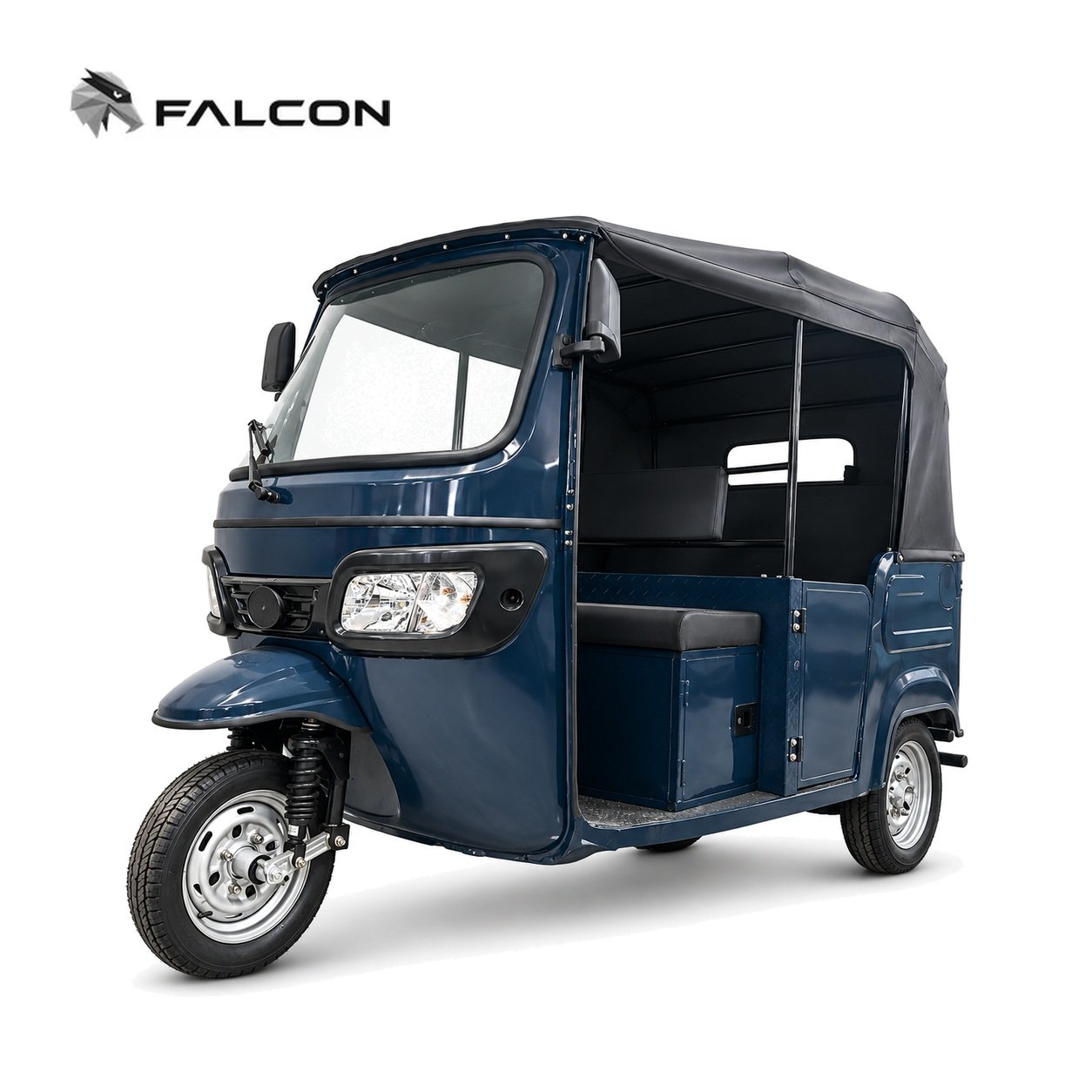
An electric keke can serve different passenger-transport projects, but a distributor should describe the intended operation before comparing vehicles. This worksheet helps Nigerian buyers turn route and service needs into a supplier brief.
Define the operating duty
Record the usual number of passengers, expected luggage, daily operating hours, road surface and charging opportunity. Identify the steepest and longest regular route and the amount of idle time. Ask the supplier to state the vehicle’s rated seating and payload for the exact configuration; do not add those figures together without checking the manufacturer’s method.
Compare equipment and serviceability
Request dimensions, turning requirements, battery type and capacity, charger input, brake specifications and spare-wheel or tire details. For each item, note what the quotation includes and what is optional. Ask for parts identification, an initial service schedule and the procedure for warranty claims. Confirm that service staff can obtain the correct replacement components.
Prepare a sample acceptance sheet
Record the model and revision, visible damage, lighting operation, controls and the documents supplied. Agree on test conditions and the pass criteria in writing before a pilot. A short test can reveal fit and service issues but does not establish long-term battery life.
Check compliance for the exact vehicle
Ask the relevant Nigerian authorities and a qualified customs adviser which import, road-use and conformity requirements apply to this model. The U.S. Commercial Service overview of Nigerian trade standards describes the national conformity framework; it does not confirm eligibility for a particular vehicle.
Explore passenger tricycles or send your operating brief.