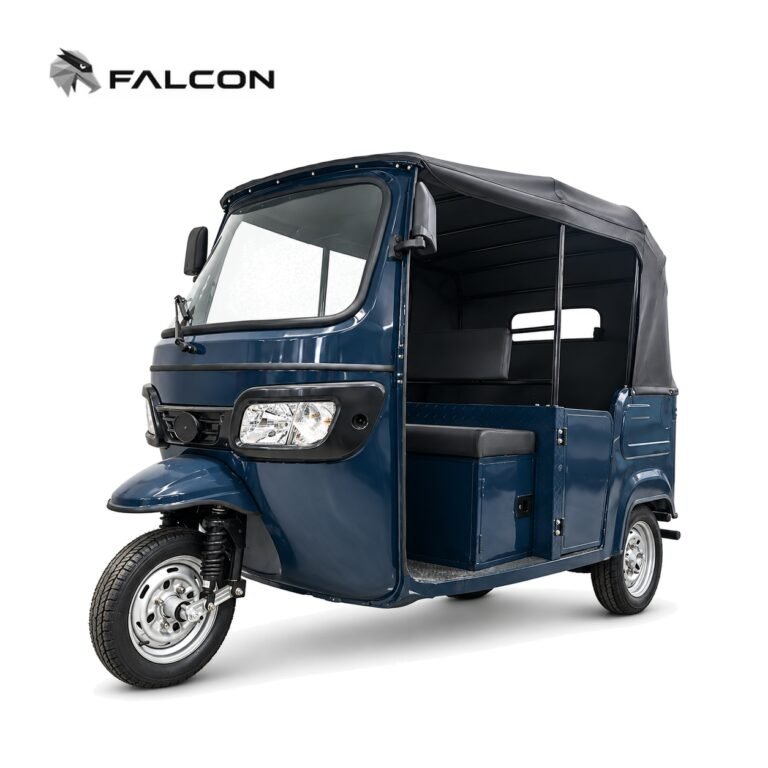
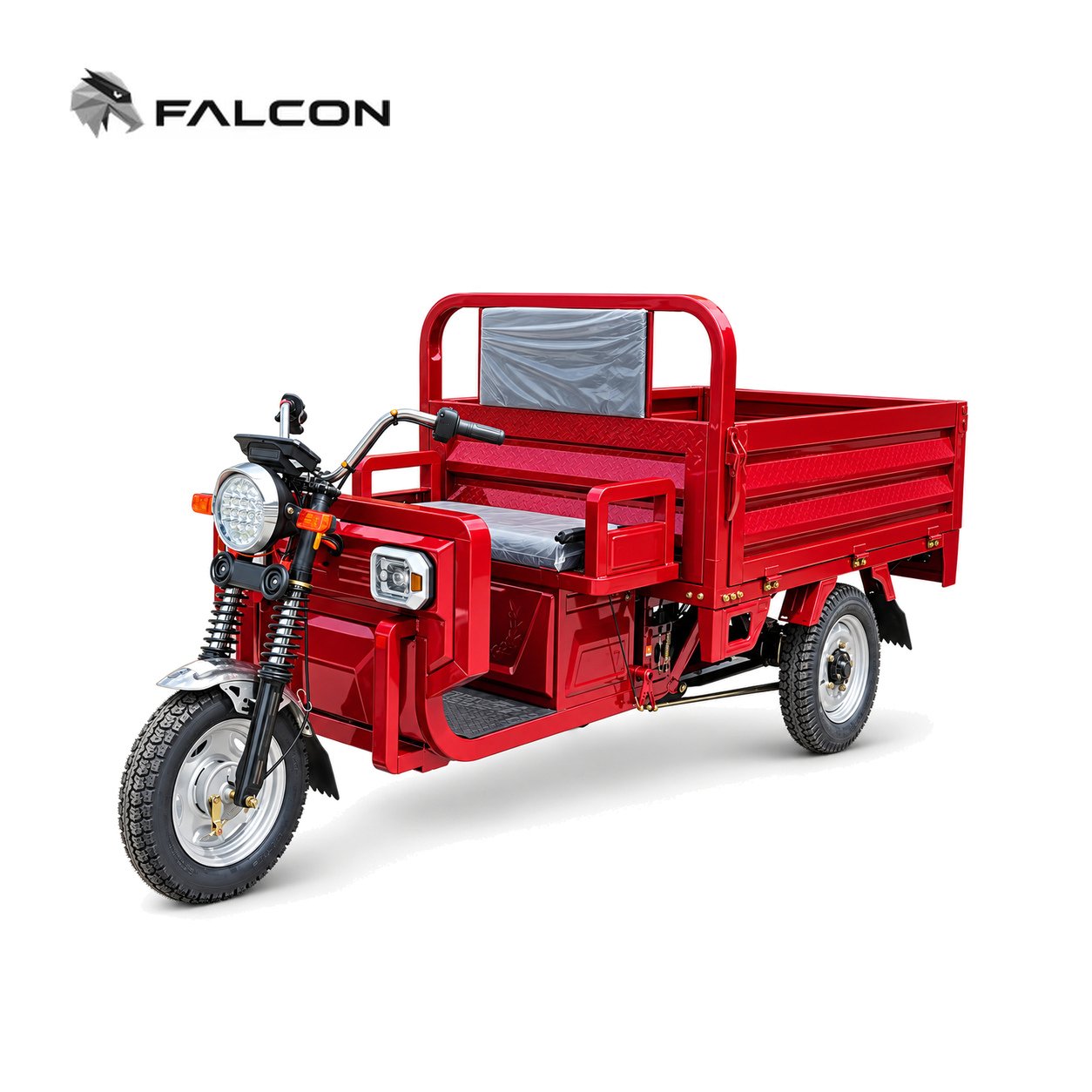
Before shipping a commercial electric cargo vehicle to an Ethiopian buyer, the importer, supplier and freight provider need a shared description of the actual goods. An invoice that describes a different configuration from the packing list can lead to questions when the shipment is reviewed. This practical worksheet helps the parties identify discrepancies early; it does not determine a vehicle’s customs classification or eligibility.
Start with the approved vehicle specification
Write down the model and revision, vehicle category, battery and charger details, body configuration, number of units and included accessories. Agree which spare parts ship separately. Keep the supplier’s drawings and specification with the signed order, and identify a person authorized to approve changes.
Compare each document line by line
Put the purchase order, pro forma invoice, final commercial invoice, packing list and available transport documents side by side. Check consignee details, quantities, model identifiers, package marks, gross and net weights, currency and the agreed delivery term. Where figures legitimately differ, document why and ask the responsible party to correct errors before release. Identify separate battery packages or accessories according to the shipper’s instructions.
Confirm local requirements before committing
The U.S. Commercial Service’s Ethiopia import documentation guide provides a general overview, but was published in 2024. Requirements and permissions may change and depend on the shipment and importer. Ask an Ethiopian customs professional and the competent authorities to confirm the current process, classification, financing, vehicle eligibility and any approvals for the exact configuration before purchase.
Agree a handover record
Record who prepares and approves each document, when the importer must receive it and how an error is escalated. Request operating instructions and a parts list with the delivery. At receipt, compare vehicle identifiers and package condition against the accepted documents and promptly report discrepancies through the agreed process.
Review enclosed cargo vehicles or send your project requirements.