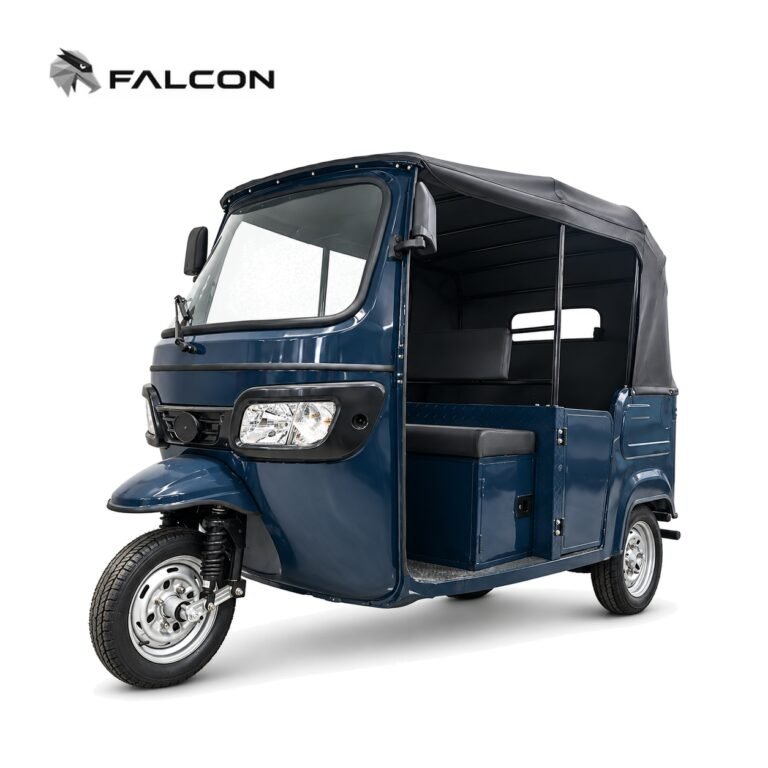
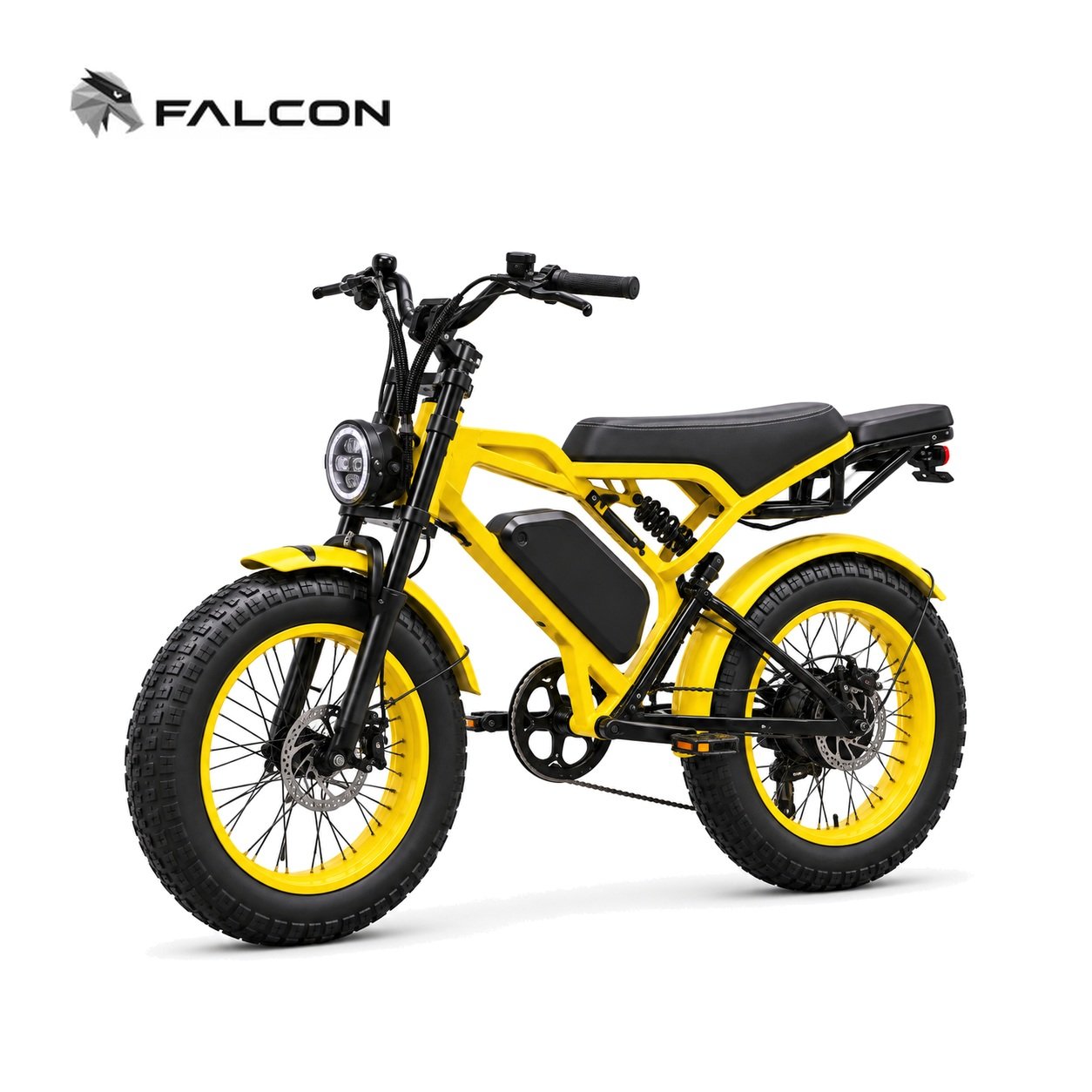
An electric vehicle distributor in Nepal needs to plan for service as carefully as the first vehicle order. A practical parts plan starts with the models sold, local operating conditions and the people who will maintain them.
Separate routine and critical parts
Ask the supplier for a model-specific illustrated parts list. Distinguish routine wear items from parts that could keep a vehicle off the road for longer. Record exact part numbers and compatible model or configuration versions; visually similar vehicles may use different components.
Agree on ordering and support
Clarify minimum quantities, lead times, packaging and how damaged or incorrect items are handled. Ask what technical documentation and diagnostic support are available, and identify who authorizes warranty claims. Warranty coverage should be confirmed in the written agreement.
Plan stock around actual demand
Estimate the installed fleet, expected service intervals and replenishment time. Start with a documented stock plan and revise it using real service records, rather than treating an unverified forecast as a guarantee. Provide a clear process for customers to report vehicle model and symptoms.
Prepare import documentation
Vehicle and spare-parts classifications can differ. Nepal’s Trade and Export Promotion Centre outlines general import and transit procedures; consult the relevant authorities or a customs professional for current requirements for the exact goods.
Discuss a vehicle and parts inquiry with FALCON EV, or view the product categories.