A heavy duty electric tricycle should be assessed against the work it will actually perform. For an Ethiopian distributor or fleet buyer, a useful supplier conversation starts with a defined route, load and operating schedule—not an assumed range or a name alone.
Describe the working day
List the heaviest and most frequent loads, packaging dimensions, number of trips, stopping time and daily operating hours. Record representative surfaces and gradients, access widths and the longest distance between charging opportunities. Include the driver and any body accessories when asking how the rated load is defined.
Make comparable test conditions
Request written ratings for the exact vehicle, battery and cargo-body configuration. With the site operator, agree a safe, permitted evaluation route, representative load, driver and observation period. Record the starting battery indication, weather, load, stops, elapsed time and issues. A pilot result is a site observation; it is not a certified range or a promise of battery life.
Inspect the points that affect uptime
Check loading access, cargo restraint provisions, visibility, tire identification and the service access described in the supplier’s documentation. Ask for a maintenance schedule, parts list and the time and information needed to diagnose a fault. Obtain written instructions for the installed battery and charger.
Use the findings in the order
Record the sample vehicle’s model and revision and list every requested change. Agree which items, charger, documentation and spare parts belong in the quotation. Ask local authorities and an import specialist about the current road-use and import requirements for the actual vehicle before placing an order.
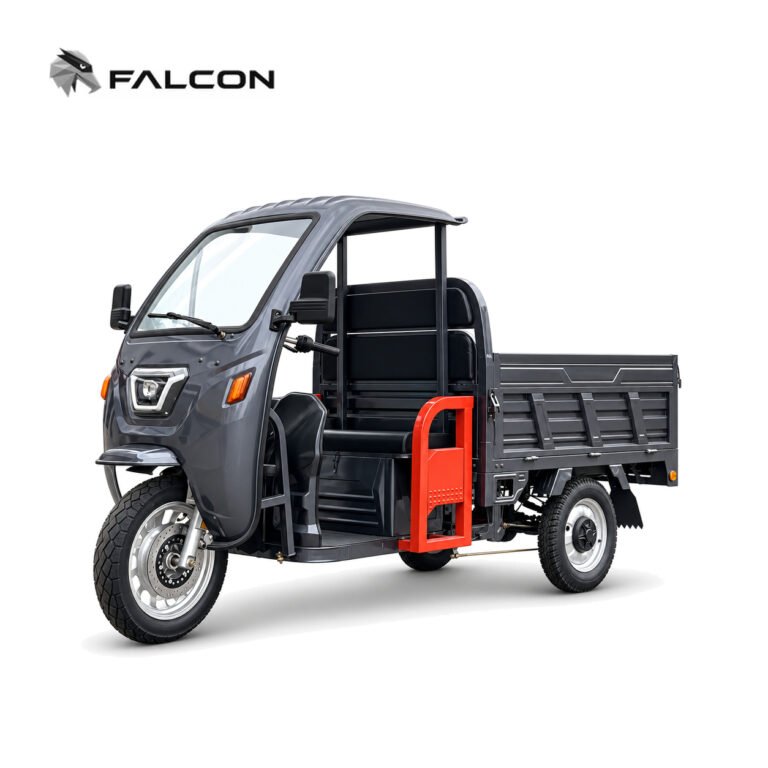
See the cargo tricycle range or share a duty-cycle brief.