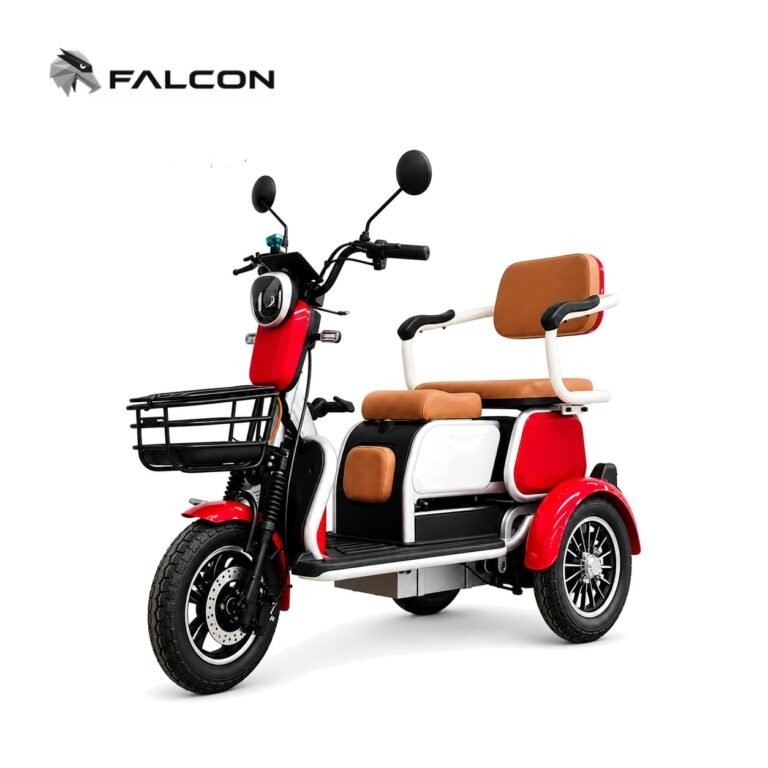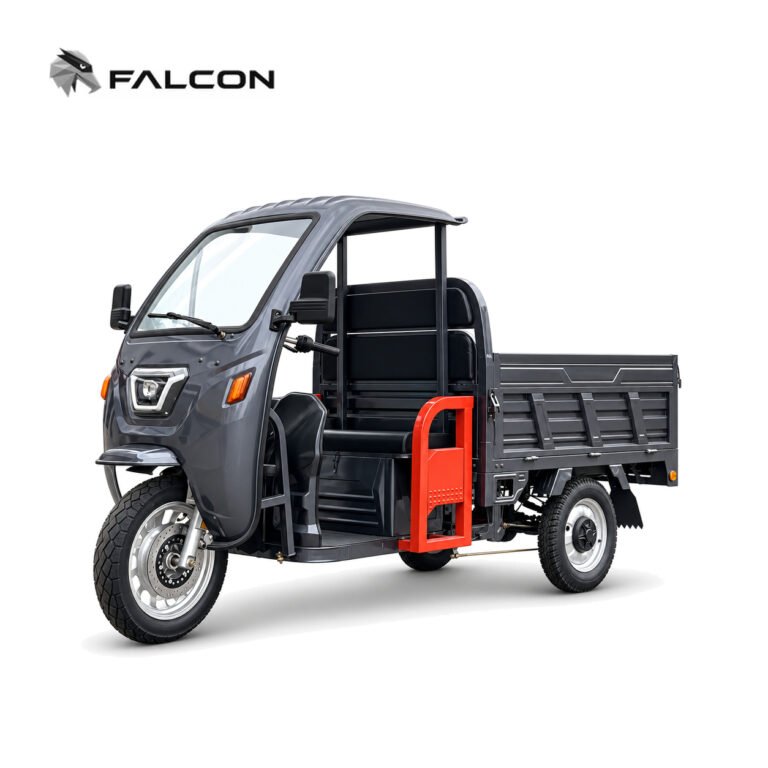
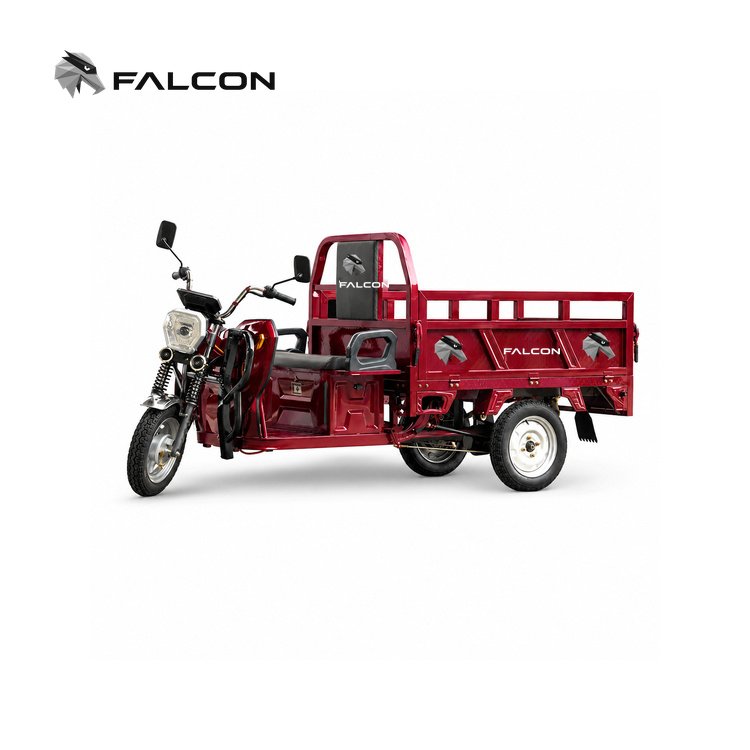
An electric cargo tricycle can be considered for local delivery, farm transport and other short-distance tasks. The right choice depends on the loads, routes and working conditions of the business using it.
Start with the load
Record the weight and dimensions of a typical load and the heaviest load you expect to carry. Consider the cargo bed or enclosure, loading height, tie-down points and whether goods need protection from rain or dust. Confirm the rated payload for the exact vehicle configuration and avoid exceeding it.
Map the route and daily schedule
Note daily distance, road surfaces, gradients, traffic and the number of stops. Ask how vehicle range is measured and request information relevant to your load and route. Actual range will vary, so leave an operating margin and plan for charging interruptions.
Check charging and battery requirements
Confirm the charger’s input requirements against the available electricity supply, and ask about charging time, battery type and routine care. Consider where the vehicle can charge safely and whether the charging schedule fits the working day.
Look beyond the purchase price
Compare the full quotation, including configuration, shipping, local taxes or duties where applicable, spare parts and service arrangements. Electricity, maintenance and battery replacement costs depend on usage and local conditions; calculate them using your own figures rather than assuming a fixed saving.
Verify local operating rules
Vehicle classification, registration, licensing and permitted roads differ by location. Check applicable requirements with the relevant local authorities before purchasing or operating a vehicle.
Discuss a suitable model
Browse our electric cargo tricycles and contact FALCON EV with your destination market, load, route and quantity requirements.